By: LMH
When I go to a new place, in my excitement I take photos immediately when ready. The first interesting setting or action among the wildlife makes me snap my camera. I don’t want to miss the perfect movement or the angle when the light hits the curl of a wave. As I continue to change my stance or move the camera, I find deeper perspectives and amazing scenes. When I study a scene that is primarily landscape it is more calming and slower paced. I can take a breath and think about how to move my camera for the best composition.
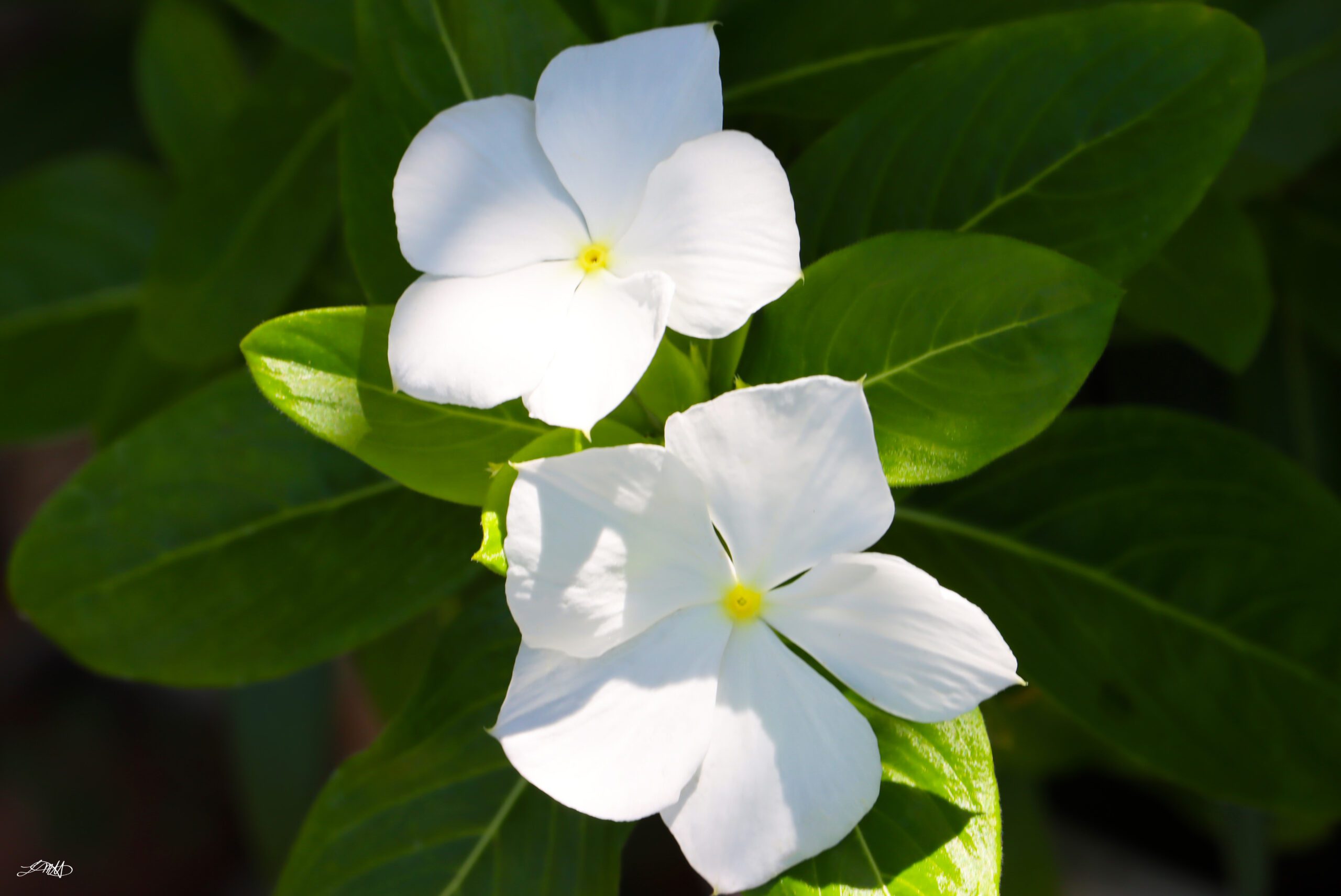
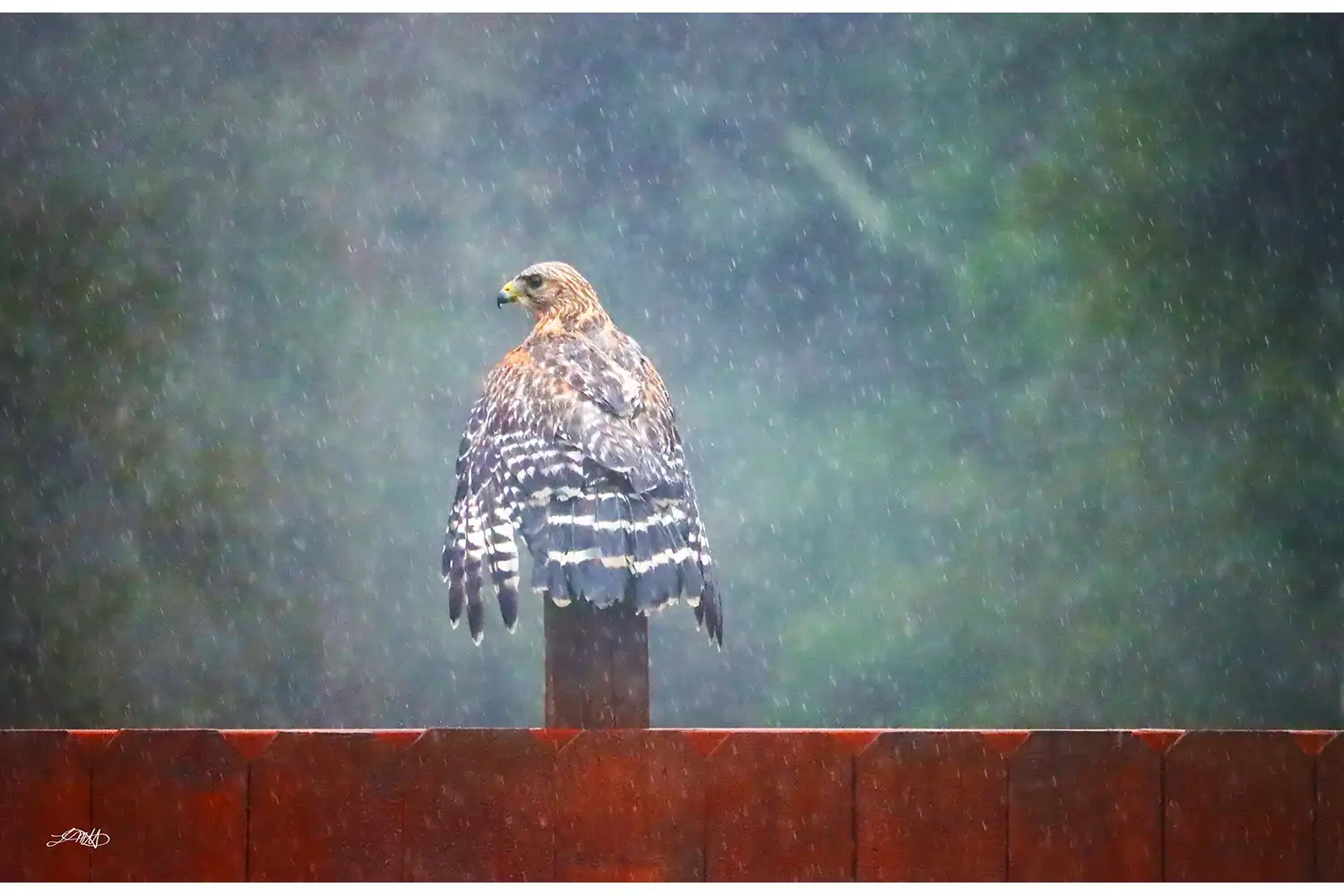
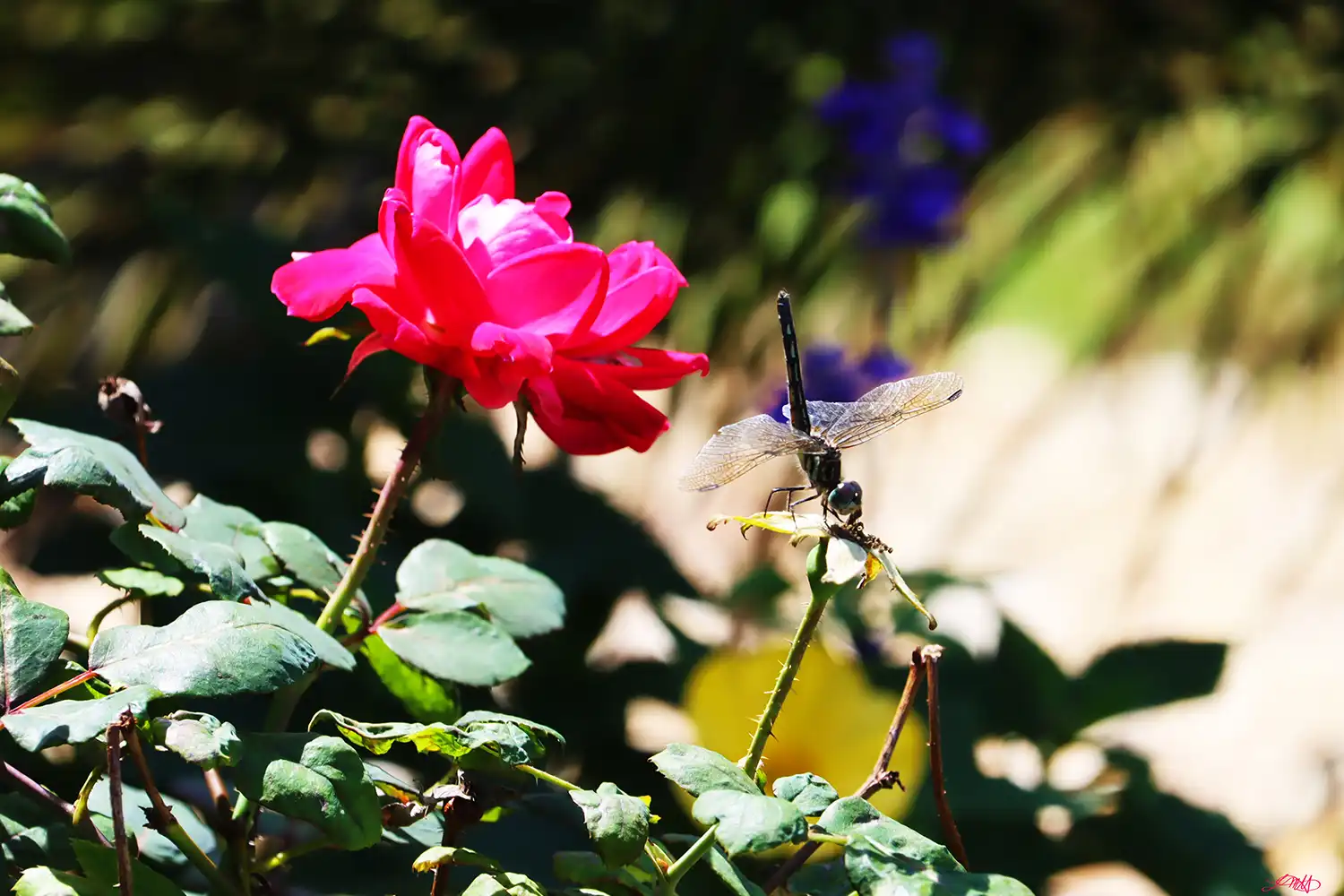
Some landscapes are still like flowers, hills, or trees. These natural elements can have sudden changes when encountering wind or interact with insects or larger wildlife. The shaping by outside forces can change the photo and give action that capture the viewer’s eye. These are the small changes that are often ignored. Engraving them in memory reminds me that even these moments happen and can be important to remember. The landscapes that are surprising are the ones that move on and change because of wind. Forms like waves and clouds can change slowly and quickly. They are a challenge to capture at the right time. This is when timing and readiness are necessary to take in the best moments. It is a learning process and sometimes not everything works out as planned. You walk away with the experience of either achieving the goal and a great photo or the lesson of what works and how to adapt.
It is landscapes that only show parts of the earth that can be the calmest. Photos like this carry awe inspiring magnificence to the eyes and still present a sense of calmness that gives restfulness to the viewer. The interest of the scene is present, but the areas that spark interest do not take away from that peaceful effect of a photograph. Photographs can be many things: beautiful, inspiring, interesting, peaceful, memorable, and artistic in their quietness. Realizing these truths and looking over the art created in an instant are lessons that unfold open when looking back.